Alexandra Palace gardening services Haringey garden care: a practical guide for healthier outdoor spaces
If you are looking into Alexandra Palace gardening services Haringey garden care, you are probably not after vague advice or a glossy sales pitch. You want a garden that actually feels manageable again. Maybe the lawn has thinned out, the hedge has gone wild, or the whole space just looks a bit tired after a long London winter. That is more common than people think, honestly.
This guide explains what local garden care usually includes, how a proper service works, what to watch out for, and how to decide which jobs need routine maintenance versus a bigger reset. It is written to help homeowners, landlords, tenants, and property managers around Alexandra Palace and the wider Haringey area make sensible decisions with confidence.
In simple terms, good garden care is not just about making things look neat for a day or two. It is about setting your outdoor space up so it stays healthier, safer, and easier to live with. And that, to be fair, is the bit people often forget.
Why Alexandra Palace gardening services Haringey garden care matters
Alexandra Palace has a mix of homes, from compact terraces and smaller front gardens to larger family plots and shared outdoor spaces. That variety matters because no two gardens need the same approach. A small paved courtyard may need pruning, container care, and an occasional pressure-free tidy-up. A bigger garden with lawn, borders, mature shrubs, and maybe a tired fence line will need a more layered plan.
Local conditions also play a role. London gardens tend to deal with shade from neighbouring buildings, compacted soil, pollution, patchy rainfall, and the occasional burst of fast growth that seems to appear overnight in spring. You know the feeling: one week it looks fine, the next week the hedge has developed ambitions.
Garden care matters because the cost of neglect usually creeps up slowly. A lawn left too long can become patchy and weed-prone. Hedges can get hard to rein back if they are left until they are huge. Beds can become overrun with roots, brambles, and self-seeded growth. Once that happens, the job stops being routine care and becomes a heavier restoration project.
There is another reason too: a well-kept garden affects how the whole property feels. It changes the first impression when you step outside in the morning, and it changes how practical the space is for family life, entertaining, pets, or just having a quiet cup of tea without staring at a tangle of weeds. Small thing? Maybe. But it adds up.
For many people in Haringey, professional help is less about luxury and more about keeping on top of a space that has simply outpaced their spare time. That is a very normal reason to ask for help.
If you want a broader view of what a local team can support, it is worth browsing the services overview and the company's about us page to understand the approach behind the work.
How Alexandra Palace gardening services Haringey garden care works
A good garden care service usually starts with a quick assessment of the space. That does not need to be dramatic. Often it is just a practical look at the lawn, borders, paths, hedges, shrubs, trees, waste buildup, and any problem areas such as uneven growth or poor drainage.
From there, the work is typically split into one-off tasks or ongoing maintenance. One-off work is useful when the garden needs a reset. Ongoing maintenance is better when you want the space to stay under control through the year. In many cases, the best result comes from a mix of both.
Common garden care jobs in the Alexandra Palace area often include:
- lawn cutting and edge finishing
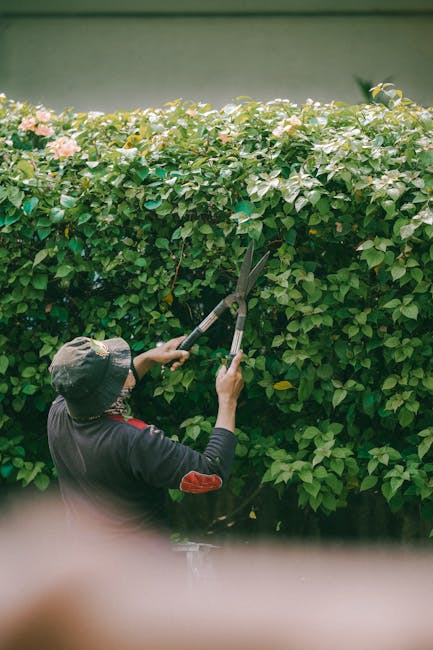
- hedge trimming and shaping
- weeding and border tidy-ups
- leaf clearance and seasonal debris removal
- shrub pruning and light plant maintenance
- small tree work where safe and appropriate
- garden waste collection and responsible disposal
Where a garden has become heavily overgrown, the process may begin with a clearance before any fine-detail care happens. That is important. You cannot really maintain a space that is buried under old growth, broken branches, and forgotten pots. First make it workable, then make it beautiful.
In practice, service quality often comes down to three things: planning, consistency, and the right level of finish. Planning means understanding the space before cutting anything. Consistency means returning at the right intervals. And the finish is what most people notice first: crisp edges, balanced hedges, clear paths, and beds that look intentional rather than accidental.
For bigger outdoor changes, some properties benefit from a blend of maintenance and design support, especially if areas have become awkward to use. In those cases, landscape gardening or broader landscaping may be more suitable than simple upkeep alone.
Key Benefits and Practical Advantages
One of the strongest reasons people invest in garden care is not the visual result, although that helps. It is the reduction in hassle. A properly maintained garden tends to demand less rescue work later. That means fewer weekends spent wrestling with overgrowth and fewer "I'll sort that next month" moments that quietly turn into big jobs.
Here are the main practical advantages:
- Cleaner, safer outdoor areas - Paths, steps, and entrances are easier to use when leaves, cuttings, and debris are kept under control.
- Healthier plants and lawns - Regular care encourages steadier growth and helps reduce the spread of weeds, disease, and damage.
- Better use of space - A manageable layout makes gardens feel larger and more usable, even if the footprint is modest.
- Less stress - There is real value in not having one more thing hanging over you.
- Improved property presentation - Useful for homes being sold, rented out, or simply kept in good condition.
- Seasonal resilience - Gardens that are looked after tend to bounce back better after wet, dry, or windy spells.
A more subtle benefit is timing. A professional eye often spots small issues before they become awkward. A hedge beginning to lean, a lawn developing thin patches, or a tree that needs careful attention can all be handled earlier, when the solution is simpler and cheaper. That is just sensible, nothing fancy.
Expert summary: Good garden care is really about keeping the garden in a steady, healthy state so it does not keep surprising you with bigger problems later. That steady state is the goal.
Who This Is For and When It Makes Sense
Alexandra Palace gardening services Haringey garden care can suit a wide mix of people. Some have gardens they enjoy but cannot physically manage every week. Others are dealing with a garden that has not been tackled properly in months. And some simply want reliable maintenance without having to think about it all the time.
This kind of service makes sense if you are:
- a homeowner who wants the garden looking decent year-round
- a landlord needing a presentable outdoor space between tenancies
- a tenant with permission to improve a neglected private garden
- a busy family trying to reclaim usable space
- an older resident who wants to avoid heavy lifting and repetitive bending
- a property manager responsible for shared or visible outdoor areas
It also makes sense when the garden has become harder to manage than it used to be. Maybe the hedge has grown taller than the ladder you own. Maybe the lawn is too uneven for a simple mow. Or maybe you have already tried to keep up, but life got in the way. Happens to all of us.
There is a difference between occasional tidying and genuine maintenance needs. If you are only dealing with a few weeds and a quick cut, that is one level. If you are facing brambles, layered leaf fall, overgrown shrubs, or unused corners that have turned wild, you are moving into maintenance-plus-clearance territory. It is helpful to know which one you actually need.
For seasonal control work, the local garden maintenance service is often the most direct fit. If the job has already spiralled, then a garden clearance may be the better starting point.
Step-by-Step Guidance
If you want to get the best result from garden care, a simple process works better than trying to solve everything at once. Here is a practical way to think about it.
- Walk the space properly. Look at the garden in sections: lawn, borders, hedges, trees, hard surfaces, fences, and storage areas. Notice what feels out of control and what merely looks untidy.
- Separate maintenance from repair. Some issues need routine work. Others are structural or seasonal. For example, a tired lawn might need repeated care, while a cluttered border may simply need clearing and replanting later.
- Set your priority order. Safety and access first, then tidiness, then shape and long-term improvement. A path blocked by growth should not wait behind a decorative trim.
- Choose the right service type. Lawn care, hedge trimming, tree work, and full garden maintenance all solve different problems. Matching the service to the actual condition saves time and money.
- Agree the finish level. Some people want a natural look. Others want crisp edges and sharp lines. Neither is wrong, but it should be clear from the start.
- Plan for disposal. Garden waste can mount up quickly. Check in advance how green waste and bulky cuttings will be handled.
- Review the space after the first visit. Once the heavy lifting is done, it becomes much easier to decide on ongoing maintenance intervals.
That process sounds basic, and it is. But basic done well usually beats elaborate and messy. Every time.
If you are unsure what level of work your garden needs, compare the likely mix of tasks with the lawn mowing, hedge trimming, and tree lopping and removal pages. They help show how different jobs fit together without overcomplicating the picture.
Expert Tips for Better Results
A few small choices make a surprisingly big difference to the final result. In our experience, the best gardens are not always the ones with the most money spent on them. They are the ones with the clearest routine.
1. Keep the edges sharp. Even a simple lawn can look dramatically better with neat edges around paths, beds, and borders. It gives the whole space structure.
2. Work with the season, not against it. Some jobs are easier after growth has slowed; others need earlier attention. If you leave spring growth too long, it can get away from you very quickly.
3. Avoid "half-finished" maintenance. A little cut here, a little weed pull there, but no real reset? That often leaves the garden looking more tired than before. Better to finish the job cleanly.
4. Leave room for air and light. Overcrowded borders and dense shrubs can trap moisture and reduce vitality. Opening them up carefully can make the whole area feel fresher.
5. Don't ignore the hard landscaping. Steps, paving, deck edges, and storage corners collect debris. If those areas are dirty or cluttered, the garden never quite looks finished.
6. Keep a realistic maintenance rhythm. A garden that needs fortnightly care will not magically stay tidy with one annual visit. It just won't. The schedule has to fit the growth rate.
If timber features or seating areas are part of the garden, it may also be worth exploring decking services so the planting and hard surfaces work together rather than feeling like separate projects.
Common Mistakes to Avoid
Let's face it, most garden headaches come from trying to save time in the wrong place. Here are the most common missteps to watch for.
- Cutting too much at once. Hard-pruned hedges, scalped lawns, and over-stripped beds can take months to recover.
- Leaving waste in piles. Green waste left to sit can make the garden look messy again almost immediately and may attract pests.
- Ignoring access routes. If front steps, side paths, or gates are blocked, the garden becomes awkward to use, even if the centre looks nice.
- Choosing a service that is too narrow. A lawn-only visit will not solve a garden full of overgrown borders and fallen branches.
- Forgetting drainage and soil condition. If the ground stays soggy or compacted, cutting alone will not fix the underlying problem.
- Overlooking safety. Work near height, sharp tools, or unstable ground should be handled with care. No drama needed, just caution.
A common one around older gardens in Haringey is assuming a tidy surface means the space is healthy underneath. Sometimes it does. Sometimes it is just hiding issues. If the soil is tired, roots are congested, or hedges are blocking light, the garden may need a more considered plan.
Another mistake is doing everything in one weekend with no follow-up. That feels heroic on Saturday morning and mildly regrettable by Sunday evening.
Tools, Resources and Recommendations
You do not need a shed full of specialist equipment to keep a garden in decent shape, but the right tools make work safer and cleaner. For home upkeep, the basics usually include a mower, hand shears, secateurs, gloves, a rake, a fork, a decent broom, and bags or bins for waste. For larger or heavier jobs, proper commercial equipment is usually faster and tidier.
Useful practical recommendations include:
- Seasonal planning notes so you remember when hedges, lawns, and borders last received attention.
- Flexible disposal bags or bins for clippings and light waste.
- Plant labels or simple garden notes if you have mixed borders and want to avoid accidental removal.
- Photographs before and after for planning, especially if you are deciding between routine maintenance and a larger cleanup.
If you are comparing service levels or want a clearer sense of what is included, the pricing and quotes page can help frame expectations, while recycling and sustainability is useful if responsible waste handling matters to you.
One small tip that saves arguments later: make a quick written list of priority jobs before the visit. Nothing fancy. Just a few lines. It helps everyone stay aligned and prevents the all-too-familiar "oh, I thought you were doing that bit" moment.
Law, Compliance, Standards, or Best Practice
Garden care is not usually complicated from a compliance point of view, but there are still sensible standards to keep in mind. In the UK, it is best practice to work safely, dispose of waste properly, and avoid damage to neighbouring properties or shared boundaries. If a job involves higher-risk work, especially around trees, height, or powered equipment, it should be planned carefully and handled by people who understand the risks.
For homeowners and landlords, the practical duty is simple: keep the space reasonably safe and avoid letting obvious hazards build up. That can mean removing trip hazards, keeping entrances clear, and not leaving unstable branches or broken materials lying around. Nothing glamorous, but absolutely worthwhile.
Insurance matters too. If a contractor is working on your property, it is sensible to know that they take insurance and safety seriously. You are not being awkward by asking. You are being sensible. The same goes for terms of service, payment clarity, and how complaints are handled if something does not go quite right. Good businesses expect those questions.
For transparency and reassurance, the company's insurance and safety page, health and safety policy, and complaints procedure are worth reading before you book, especially for larger or more involved jobs.
There is also a basic environmental standard that increasingly matters: do not treat garden waste as an afterthought. Sorting, recycling, and reducing unnecessary waste are all part of responsible garden care. It sounds a bit dull, I know, but the garden benefits from it.
Options, Methods, or Comparison Table
Choosing the right approach depends on the current state of the garden and what outcome you want. A small comparison helps make that clearer.
| Approach | Best for | Typical outcome | Watch out for |
|---|---|---|---|
| Routine garden maintenance | Gardens that are mostly under control | Steady, tidy, easy-to-manage outdoor space | Needs regular repeat visits to stay effective |
| One-off tidy-up | Spaces that have slipped a little but are not severely overgrown | Quick improvement and reset | Can drift back if no follow-up is planned |
| Garden clearance | Heavily neglected, cluttered, or overgrown gardens | Space becomes usable again | Often needs a second stage of maintenance afterwards |
| Landscape gardening or landscaping | Gardens needing layout changes or long-term improvement | Better structure, flow, and usability | More planning involved, so expectations must be clear |
If the garden feels chaotic, start with clearance. If it feels okay but messy, start with maintenance. If it is usable but awkward, consider a design-led approach. That simple rule saves a lot of guesswork.
Case Study or Real-World Example
Imagine a typical rear garden near Alexandra Palace after a busy few months. The lawn has grown long and uneven. One hedge line has become soft at the edges and is beginning to spill into the path. A few shrubs are crowded together, with fallen leaves tucked into the corners. Nothing catastrophic. Just a bit run down.
A sensible first visit would likely focus on access, cutting back the obvious overgrowth, clearing the waste, and making sure the main usable areas are back under control. The lawn gets its shape back. The hedge is reduced to a tidy line rather than a sprawling mass. Borders are opened up enough to see what actually needs keeping and what can be removed.
After that, the owner can make a better decision. Maybe the garden only needs monthly care through the growing season. Maybe a few sections need replanting. Maybe the corner by the fence should be redesigned because it never quite works. Once the clutter is gone, the truth of the space becomes visible. That is the useful part.
We have seen that pattern more than once: people think they need a complete overhaul, but what they really need is a proper reset and a realistic maintenance rhythm afterwards. Truth be told, that is often enough.
Practical Checklist
Use this checklist before booking Alexandra Palace gardening services Haringey garden care or reviewing the condition of your own garden.
- Is the garden mainly untidy, or genuinely overgrown?
- Are lawn, hedge, tree, and border jobs all in scope?
- Do you need a one-off visit or ongoing maintenance?
- Are there access issues, narrow paths, or awkward corners?
- Does the garden need clearing before it can be maintained?
- Are there safety concerns around branches, slippery paths, or uneven ground?
- Do you want a neat formal look or a more natural finish?
- Have you thought about waste removal and recycling?
- Is there a priority list for the areas that matter most?
- Do you know how you will keep the space in shape after the first visit?
If you can answer most of those, you are already ahead of the game.
Conclusion
Alexandra Palace gardening services Haringey garden care is really about making outdoor life easier, cleaner, and less stressful. Whether you need a simple tidy-up, regular maintenance, or a more involved clearance, the best results come from matching the service to the actual condition of the garden. Not the ideal version in your head. The real one. That makes all the difference.
A good local approach respects the shape of the garden, the season, and the practical realities of life in London. It should leave you with more usable space, fewer ongoing headaches, and a garden that feels like part of the home again. And when that happens, even a small patch of green can feel like a proper relief.
Get a free quote today and see how much you can save.
If you would like to explore the company's wider approach before getting in touch, the about us page and contact us page are the natural next stops.
Frequently Asked Questions
What does Alexandra Palace gardening services Haringey garden care usually include?
It often includes lawn mowing, hedge trimming, border tidying, weeding, light pruning, leaf clearance, and garden waste removal. The exact mix depends on the garden's condition and what you want to keep under control.
How do I know if I need garden maintenance or garden clearance?
If the space is mostly manageable but just needs regular upkeep, maintenance is the better fit. If the garden is heavily overgrown, cluttered, or difficult to move through, clearance usually comes first.
How often should a garden near Alexandra Palace be maintained?
That depends on the size of the garden, the number of plants, and the season. In fast-growing months, some gardens need more frequent visits. Others only need occasional attention. A good provider should help you set a realistic rhythm.
Can garden care help improve a tired-looking lawn?
Yes, within reason. Regular mowing, edging, and basic lawn care can improve appearance and condition, but badly damaged lawns may need more than a quick cut. Sometimes the issue is soil, shade, or long-term neglect.
Is hedge trimming safe to do on my own?
Small, low hedges are usually manageable for many homeowners. Taller or awkward hedges are a different matter, especially if ladders, power tools, or boundary issues are involved. If in doubt, it is safer to ask for help.
What should I do before a garden team arrives?
Clear access where you can, move personal items, highlight any delicate plants or hidden hazards, and make a short list of priorities. That small bit of prep makes the job smoother.
Do I need to be home during the work?
Not always, but it helps for the first visit if there are access arrangements or specific instructions. For some routine work, people prefer to be away and return to a finished garden. Nice feeling, that.
What happens to the garden waste?
That depends on the service arrangement, but responsible handling and disposal should always be part of the plan. If waste is a concern, ask how it will be sorted, removed, or recycled before work begins.
Can gardening services help with larger outdoor improvements too?
Yes. If you want more than maintenance, services such as landscape gardening, landscaping, or decking services may be relevant depending on the space and your goals.
How do I compare quotes fairly?
Compare what is included, the level of finish, waste handling, safety practices, and whether the work is one-off or ongoing. A lower price is not always better if it leaves out essential parts of the job.
What if my garden has trees or large branches that need attention?
That is where specialist care matters. Trees and large branches bring extra safety considerations, so it is sensible to discuss the issue clearly and check the scope of work before any cutting begins.
Where can I learn more about payment, privacy, or service terms?
You can review the relevant policy pages, including payment and security, privacy policy, and terms and conditions, so you know what to expect before booking.
When a garden is looked after properly, it stops feeling like a problem you have to manage and starts feeling like a place you actually enjoy again. That is a simple win, but a very real one.